


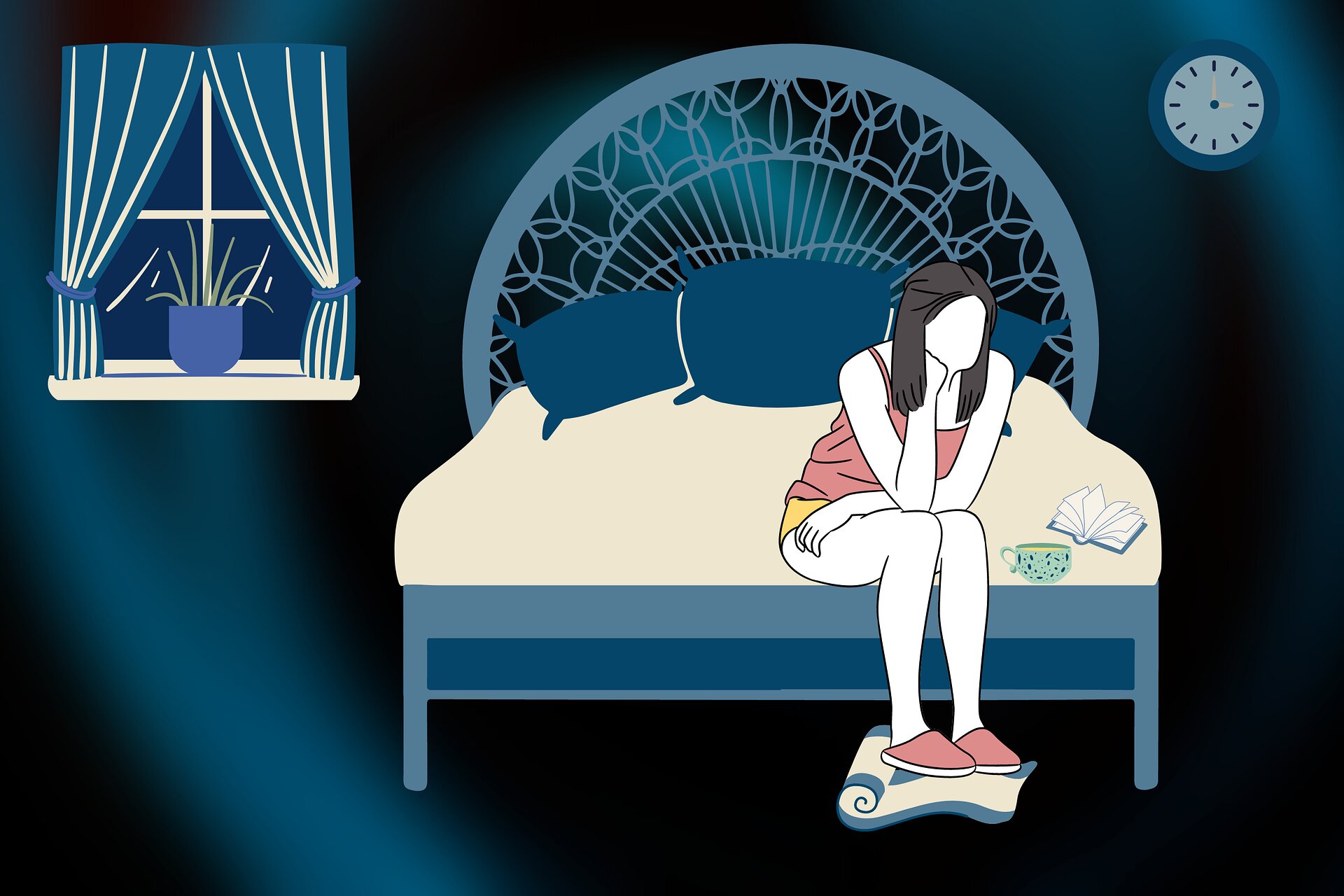

A study from Taipei Medical University reveals how disruptions in the body’s internal clock (caused by modern life and certain mood medications) can interfere with women’s hormonal health and potentially worsen mood disorders. This research underscores the need for more rhythm-aware treatments that balance mental health and hormonal well-being.
Millions of women experience disruptions in their menstrual cycles due to irregular sleep patterns, shift work, jet lag, and mood stabilizers. These disruptions not only affect reproductive health but can also signal or worsen mood disorders like depression and bipolar disorder. The study calls for a better understanding of how biological timing systems regulate both mood and menstruation—information that could shape how doctors manage mental health in women.
The study, published in the journal Chronobiology in Medicine, outlines several vital discoveries that explain how circadian rhythms and reproductive cycles are intertwined and how this relationship can be disrupted. The circadian clock refers to the body’s internal 24-hour timing system, which helps regulate sleep, hormone release, and other essential bodily functions.
- Disrupted rhythms affect cycles: Exposure to artificial light at night and irregular schedules can interfere with the body’s circadian clock, which in turn can disrupt menstrual cycles.
- Mood stabilizers have hormonal side effects: Lithium, a common drug used to treat bipolar disorder, was shown to lengthen circadian rhythms and disturb hormonal cycles, possibly contributing to menstrual irregularities.
- Timing systems are deeply connected: The brain’s master clock (in the hypothalamus) not only keeps daily time but also interacts with reproductive systems that operate on monthly cycles.
- Photoperiod matters: Shorter daylight periods tend to lengthen reproductive cycles, while longer daylight periods shorten them—suggesting our internal systems are sensitive to seasonal changes.
“Our biological clocks don’t just govern when we sleep. They deeply shape how we feel and how our bodies function. By understanding how daily and monthly rhythms interact, we can begin designing treatments that support both mental and hormonal health, rather than forcing women to choose between the two,” said Prof. Jihwan Myung, lead author of the study.
The study drew on existing anatomical and physiological research, combining insights from animal models and human data. It reviewed how various biological clocks, daily (circadian) and monthly (ovarian), interact in the brain and reproductive system. Special focus was placed on how mood medications like lithium alter these rhythms. The author advocates for future models that integrate multiple timescales to predict and manage these effects more accurately.
This research highlights a critical but often overlooked intersection between mental and reproductive health. Understanding how the body’s clocks operate together opens the door to more personalized, rhythm-informed treatments—helping women manage mood disorders without compromising hormonal health.
More information:
Jihwan Myung, Integrating Circadian and Reproductive Rhythms in Mood Regulation, Chronobiology in Medicine (2025). DOI: 10.33069/cim.2025.0015
Provided by
Taipei Medical University
Citation:
How disrupted sleep and mood drugs impact women’s hormonal and mental health (2025, September 18)
retrieved 28 September 2025
from
This document is subject to copyright. Apart from any fair dealing for the purpose of private study or research, no
part may be reproduced without the written permission. The content is provided for information purposes only.
link