



A painful new COVID-19 variant is making its presence known across the United States this summer, earning the disturbing nickname “razor blade throat” from those unfortunate enough to experience its signature symptom. The dominant strain, known scientifically as NB.1.8.1, has health experts providing crucial information about what Americans can expect from this latest development in the ongoing pandemic.
Neil Maniar, director of Northeastern University’s master of public health program, has been closely monitoring the variant’s progression and offers essential insights into how this strain differs from previous versions of the virus. While hospitalization and death rates remain at near-record lows, the physical discomfort associated with this particular variant has been drawing significant attention from medical professionals and patients alike.
Understanding the characteristics of NB.1.8.1 becomes increasingly important as more people encounter this strain during what many are calling a summer uptick in COVID cases. The variant’s unique symptoms and transmission patterns require updated awareness from the public.
1. The science behind the excruciating throat pain
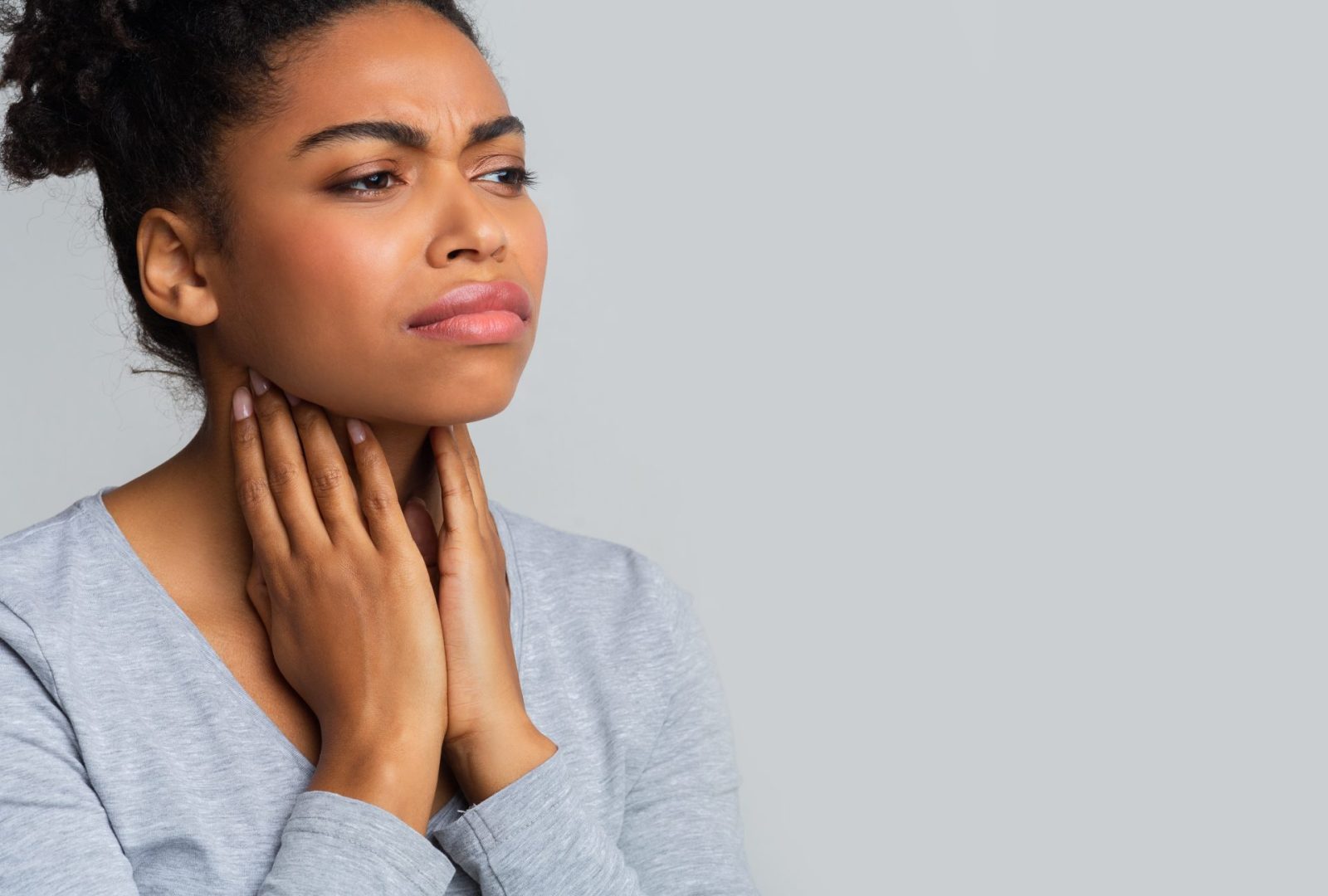
The NB.1.8.1 variant has earned its ominous nickname due to the severe throat pain it causes in infected individuals. This isn’t simply a typical sore throat that accompanies many viral infections, but rather an intensely sharp, cutting sensation that patients describe as feeling like swallowing broken glass or razor blades.
The mechanism behind this particular symptom lies in how the virus interacts with human cells. Changes to the spike protein in this variant allow it to bind more effectively to ACE receptors, which are particularly abundant in the upper respiratory tract. This enhanced binding capability means the virus can establish a stronger foothold in throat tissues, leading to more pronounced inflammation and pain.
The upper airway becomes the primary battleground where the immune system confronts the virus, resulting in the characteristic razor-sharp discomfort that has become synonymous with this strain. This targeting of upper respiratory tissues also explains why throat symptoms tend to be more severe with NB.1.8.1 compared to previous variants.
2. Additional symptoms accompany the signature throat pain
While the razor blade throat sensation captures most of the attention, NB.1.8.1 presents with a comprehensive array of symptoms that can significantly impact daily life. Infected individuals commonly experience persistent runny nose, debilitating headaches, and overwhelming fatigue that can last for days or weeks.
Sneezing becomes frequent and forceful, often accompanied by nausea and vomiting that can complicate recovery efforts. These gastrointestinal symptoms represent a departure from earlier COVID variants that primarily focused on respiratory issues, suggesting the virus has evolved to affect multiple body systems simultaneously.
The combination of symptoms creates a particularly challenging recovery experience, with many patients reporting that the throat pain makes eating, drinking, and even speaking extremely difficult. This comprehensive symptom profile requires patients to prepare for a more complex illness experience than they might have encountered with previous COVID infections.
3. Increased transmission without deadlier outcomes
One of the most significant characteristics of NB.1.8.1 is its enhanced ability to spread from person to person while maintaining relatively low rates of severe outcomes. The structural changes that allow the virus to bind more effectively to upper respiratory receptors also facilitate easier transmission between individuals.
Current data shows that NB.1.8.1 accounts for approximately 43% of all COVID cases across the United States, demonstrating its rapid rise to dominance among circulating variants. This increased prevalence reflects the variant’s improved transmission capabilities compared to its predecessors.
However, despite its enhanced spreadability, the variant has not led to corresponding increases in hospitalizations or deaths. Recent CDC data indicates that COVID hospitalization rates remain at just one per 100,000 people, with weekly death counts reaching some of the lowest levels recorded since the early days of the pandemic.
4. Summer patterns mirror seasonal respiratory illness cycles
The current increase in COVID cases represents more of a gradual uptick rather than a dramatic surge, with positivity rates climbing from 4.2% to 5.1% over recent weeks. This pattern reflects the natural ebb and flow that health experts now expect from COVID as it settles into more predictable seasonal patterns.
Multiple factors contribute to summer increases in respiratory illness transmission, including increased travel activity, larger social gatherings, and the gradual waning of vaccine effectiveness over time. Air conditioning systems that recirculate indoor air can also facilitate viral spread during hot weather months when people spend more time in enclosed spaces.
Medical professionals emphasize that these cyclical patterns represent the new normal for COVID, similar to what occurs with influenza and other respiratory viruses. Understanding these predictable fluctuations helps both healthcare systems and individuals prepare appropriately for periods of increased transmission.
5. Vaccination remains the most effective protection strategy
Current vaccination recommendations continue to emphasize the importance of staying up-to-date with COVID immunizations, particularly the 2024-2025 vaccine formulation. This updated vaccine should provide effective protection against NB.1.8.1 because both the circulating variant and the vaccine target belong to the same Omicron family of viruses.
The CDC maintains its recommendation for most adults over 18 to receive the current vaccine, while parents of children between six months and 17 years should consult with healthcare providers about vaccination benefits. Even when breakthrough infections occur in vaccinated individuals, the severity of symptoms, including the razor blade throat sensation, tends to be significantly reduced.
Vaccination effectiveness extends beyond individual protection, contributing to community-wide immunity that helps slow viral transmission and protects vulnerable populations who may be at higher risk for severe outcomes.
link



More Stories
How the DCA Disaster Hearing Is Reshaping Avionics and ATC Rules
Strep Throat: Symptoms, Signs, and Complications
Strong winds in New Mexico prompt health precautions