




Your support helps us to tell the story
From reproductive rights to climate change to Big Tech, The Independent is on the ground when the story is developing. Whether it’s investigating the financials of Elon Musk’s pro-Trump PAC or producing our latest documentary, ‘The A Word’, which shines a light on the American women fighting for reproductive rights, we know how important it is to parse out the facts from the messaging.
At such a critical moment in US history, we need reporters on the ground. Your donation allows us to keep sending journalists to speak to both sides of the story.
The Independent is trusted by Americans across the entire political spectrum. And unlike many other quality news outlets, we choose not to lock Americans out of our reporting and analysis with paywalls. We believe quality journalism should be available to everyone, paid for by those who can afford it.
Your support makes all the difference.
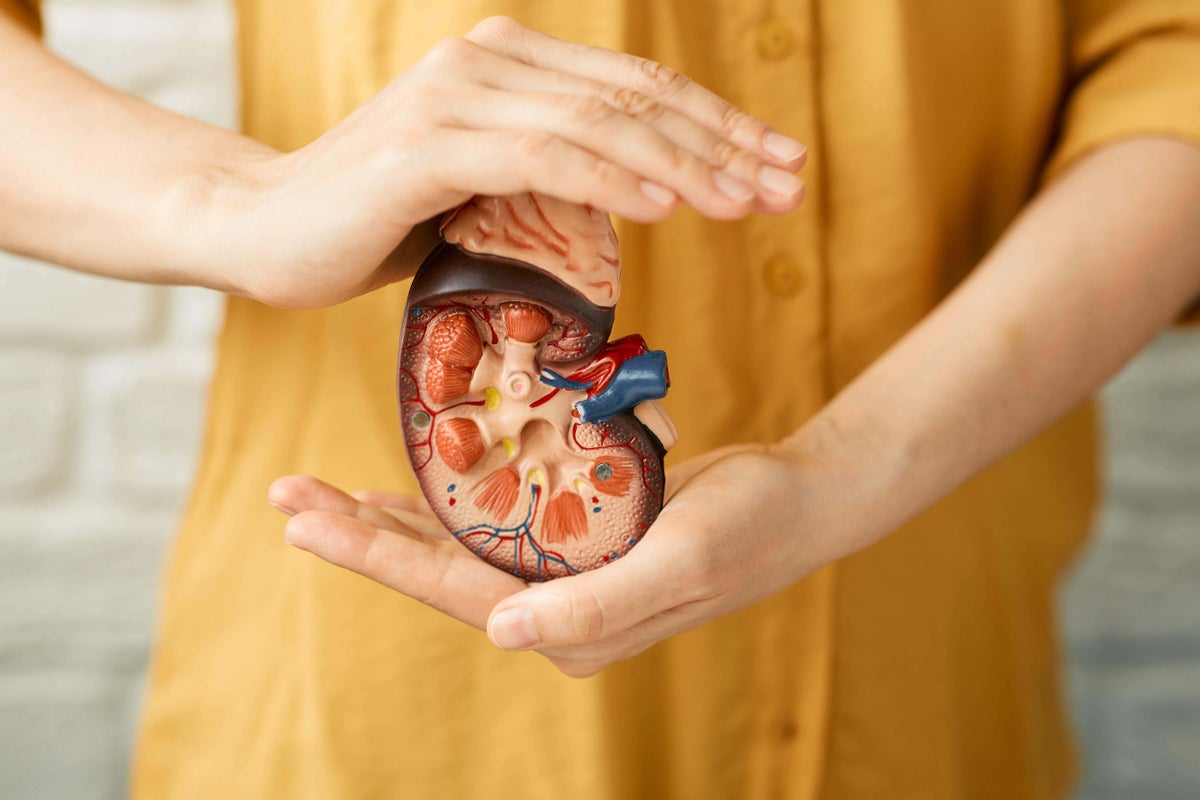
Kidney health is often overlooked, but these small, often underestimated organs play a crucial role in supporting our overall health and wellbeing.
From filtering waste to regulating fluid balance and supporting bone health, our kidneys are constantly working quietly behind the scenes, so it’s imperative that we take good care of them.
Ahead of World Kidney Day (March 13), we spoke with Sharlene Greenwood, a consultant renal physiotherapist and lecturer at King’s College London, and the co-founder and chief medical officer at Kidney Beam, to discuss the vital functions kidneys perform in the body.
With over a decade of experience as a consultant kidney physiotherapist within the NHS, she is well-positioned to advise on the habits we should embrace – and avoid – to keep our kidneys in optimal condition for years to come.
What do our kidneys actually do?
Maintaining kidney health is essential as they carry out several important functions in the body, such as filtering waste and toxins.
“Kidneys remove waste products and excess fluids from the blood, preventing toxin buildup,” explains Greenwood.
Our kidneys are also crucial for maintaining fluid and electrolyte balance, as well as regulating blood pressure.
“They regulate levels of sodium, potassium, and other electrolytes essential for bodily functions,” says Greenwood. “And kidneys also help control blood pressure by managing fluid balance and producing hormones.”
Additionally, these small yet essential organs help produce red blood cells and contribute to maintaining strong, healthy bones.
“They produce erythropoietin, a hormone that stimulates red blood cell production,” explains Greenwood. “Plus, kidneys help regulate calcium and phosphorus levels, which are critical for strong bones.”
What issues can poor kidney function lead to?
“Poor kidney function can lead to serious health issues like chronic kidney disease, end-stage kidney disease where dialysis or a transplant may be required, heart disease, anaemia, increased risk of infections, weakened bones and high blood pressure,” notes Greenwood.
But, protecting these vital organs doesn’t require any drastic changes. Here are seven simple habits that will help keep your kidneys happy and healthy…
1. Stay hydrated
“Drink enough water (about 6-8 glasses a day) to help your kidneys flush out toxins,” advises Greenwood.
2. Eat a balanced diet
“Focus on fresh fruits, vegetables, whole grains, and lean proteins while limiting processed foods, salt, and sugary drinks,” recommends Greenwood.
3. Control blood pressure and blood sugar
“Manage hypertension and diabetes through diet, exercise, and medication if needed, as both can damage kidneys,” says Greenwood.
4. Exercise regularly
“Engage in activities that make you breathless like walking and swimming, and exercises that maintain muscle health to maintain a healthy weight and physical function,” advises Greenwood.
5. Avoid excessive salt and processed foods
“High sodium intake can strain your kidneys and lead to high blood pressure,” warns Greenwood.
6. Limit alcohol and quit smoking
“Both alcohol and smoking can harm kidney function and increase the risk of kidney disease,” highlights Greenwood.
7. Get regular checkups
“Routine kidney function tests help detect any issues early, especially if you have risk factors like diabetes or hypertension,” says Greenwood.
link



More Stories
Russia turns to high altitude balloons after Starlink restrictions disrupt battlefield communications across Russian-controlled territories
What CES 2026 didn’t show: The quiet crisis in wireless capacity nobody is talking about
Recent AWS issues blamed on AI tools – at least two incidents affected some Amazon services