




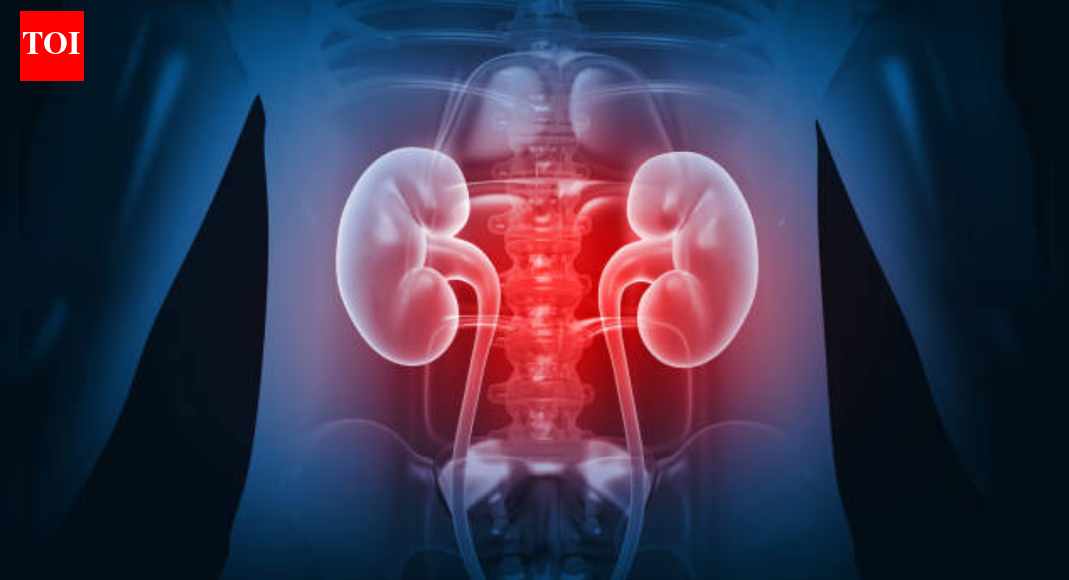
Imagine your kidneys as the unsung baristas of your bloodstream that are quietly filtering, balancing fluids and keeping everything running smoothly while you sip hot cocoa and wrap up in blankets. However, when winter arrives, those hard-working organs are at a risk of catching a cold too, not literally sniffles but dehydration, sluggish circulation and infection stress that can tip a vulnerable kidney into trouble.For people with existing kidney disease or weakened immunity, winter infections like UTIs and respiratory bugs can swiftly escalate into serious complications. Fortunately, research reveals exactly why this happens and what you can do about it. Read on as we bring to you the science and expert tips you need to stay one step ahead this winter.
Cold weather spurs kidney stress and risk of infection
Winter provides relief from the scorching summer heat but it can also be challenging for those with kidney disease. Health experts assert that people with kidney disease should stay vigilant as the cold weather impacts blood circulation, immunity and hydration and all of these factors tend to pressurise the kidneys.

Why Nephrologists Are Alarmed About Kidney Failure Spiking in Winter
In an interview with the Times of India, Dr Aditya Nayak, Consultant Nephrologist – Zen Annexe at Zen Multispeciality Hospital in Mumbai’s Chembur, explained, “People often drink less water and stay indoors for longer periods, which may lead to urinary tract infections (UTIs) or worsen existing kidney conditions. During winter, the body’s immune system tends to slow down and it is unable to fight bacteria and viruses. For people with kidney disease, this can be risky because their bodies already have reduced ability to filter waste and fight infection.”According to a 2023 study published in BMC Nephrology, “Weekly admissions for acute kidney injury peaked in winter… suggesting community triggers such as infection or environmental exposures may contribute to increased winter AKI incidence.” This large seasonal analysis found that winter months see significant increases in acute kidney injury (AKI), a sudden decline in kidney function that can be triggered or worsened by infections like UTIs and pneumonia, dehydration or reduced blood flow.Dr Nayak elaborated, “Urinary tract infections (UTIs) are commonly seen during the colder months due to various factors such as dehydration and prolonged exposure to cold temperatures. If left untreated, UTI can spread to the kidneys, causing pain, fever and even kidney. In addition, chest infections (pneumonia) are common during monsoon and winter. These infections tend to damage kidneys to a great extent in addition to having symptoms of the lungs. This damage can be devastating and permanent at times, especially in those with pre-existing kidney disease.” Cold temperatures reduce kidney blood flow and increase vulnerability. An Environmental Health Perspectives study in PubMed Central found, “Cold temperatures were associated with an increased risk of mortality from renal diseases, including acute renal failure and chronic renal conditions, likely due to vasoconstriction and reduced renal perfusion.” Colder weather causes blood vessels to narrow (vasoconstriction), reducing blood flow to kidneys, particularly risky for people with kidney disease whose filtration is already compromised. Less circulation means the kidneys have to work harder to filter waste, escalating injury risk.

Winter Infections Can Turn Deadly for Kidneys: Here’s What Doctors Want You to Know
Infections like UTIs can directly trigger kidney damage. A 2015 study in PLOS ONE revealed, “Upper urinary tract infection was associated with a significantly higher risk of acute kidney injury; infection and sepsis can directly damage kidney tissue if not treated promptly.” Urinary tract infections (UTIs) are more common in winter due to dehydration and immune changes. It can spread to the kidneys (pyelonephritis) and precipitate acute kidney injury if untreated, especially in people with chronic kidney disease or weakened immune responses.Dr Nayak said, “To prevent such an event, all individuals with existing kidney disease and those above 65 years of age, irrespective of presence or absence of kidney disease, should be vaccinated against those bacteria and viruses which cause lung infections. Vaccination may not prevent the infections in all those who are vaccinated, but it manages to reduce the severity of the illness, thereby prevent vital organ damage and the patient’s life.”
Practical winter kidney health tips by expert
Even if you don’t have kidney disease, winter poses a perfect storm for infections and cold-related stress that can harm kidney health. Dr Nayak suggested the following preventive measures –
- Dress in layers to protect your body from the cold and maintain good blood flow.
- Stay hydrated by ensuring appropriate water intake to prevent dehydration.
- Consult the expert when it comes to the diet. Try to include fresh fruits, vegetables, and foods rich in vitamin C to boost immunity.
- It is necessary to maintain personal hygiene and to empty your bladder from time to time.
- Avoid salty and processed foods that can raise blood pressure and strain the kidneys.
- Kidney patients should monitor their blood pressure, urine output and blood tests more frequently during winter.
- If you notice pain, burning during urination, fever and urgency or pain and heaviness below the navel, seek medical help immediately.
- Complete the full course of antibiotics if prescribed to prevent recurrence.
- It is imperative to monitor the blood pressure and blood sugar levels and take medication as suggested by the expert.
Bottom line
Winter does not just chill your bones, it alters circulation, immunity and fluid balance, all of which can make kidneys more susceptible to infection and injury. So, it is better to be safe than sorry. Make sure to focus on kidney health.Dr Aditya Nayak concluded, “Winter infections can seriously affect people with kidney disease, but with awareness, timely care, and healthy habits, they can be prevented and managed effectively. Don’t delay treatment in case of symptoms that persist for a long time.”Note: The information provided in this article is for educational purposes only and is not intended as medical advice. Always consult with a qualified healthcare professional before starting any new medication or treatment and before changing your diet or supplement regimen.
link



More Stories
Russia turns to high altitude balloons after Starlink restrictions disrupt battlefield communications across Russian-controlled territories
What CES 2026 didn’t show: The quiet crisis in wireless capacity nobody is talking about
Recent AWS issues blamed on AI tools – at least two incidents affected some Amazon services