




Newcastle researchers have revealed the first treatment to target the underlying cause of a rare kidney condition called “C3G” and prevent the disease progressing.
Publishing in The Lancet, the Newcastle kidney experts demonstrate that a new treatment called iptacopan, made by Novartis, prevents the complement system from damaging the kidneys. The treatment stops protein loss from the kidneys and stabilizes the kidney function.
The trial, with C3G patients from around the world, compared treatment with the drug Iptacopan to a placebo and demonstrated that it was both effective and safe.
What is C3G?
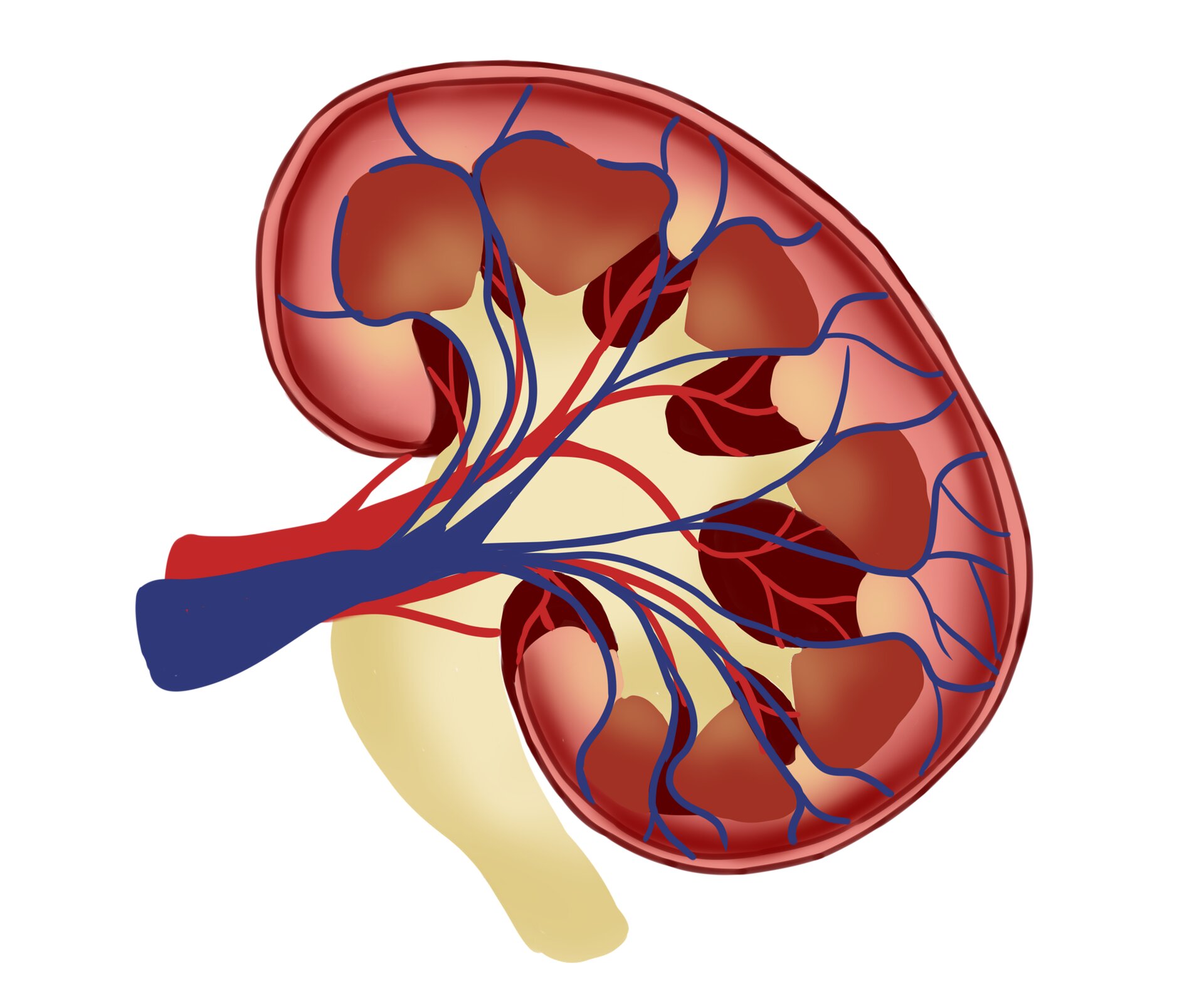
C3G—or Complement 3 glomerulopathy—happens when part of the immune system, called the complement system, over-reacts, resulting in damage to the body’s own kidneys, specifically tiny filters, called the glomeruli, which are responsible for filtering the blood of toxins and producing urine.
The complement system is made up of proteins in the blood that kill bacteria and prevent infection.
Until now, there has been no known effective treatment for this condition and most patients progressed to end-stage kidney failure and required kidney dialysis. Additionally, when patients received a kidney transplant, the disease would usually come back, resulting in a failed transplant.
Now, the results of this Phase III trial—called APPEAR-C3G—demonstrate for the first time that the new treatment, iptacopan, made by Novartis, prevents the complement system from damaging the kidneys by stopping protein loss from the kidneys and stabilizing kidney function.
Dr. Edwin Wong, consultant nephrologist at Newcastle Hospitals and honorary senior clinical lecturer at Newcastle University, was UK chief investigator for the trial. He said, “C3G has a very poor prognosis and usually leads to long-term dialysis or a kidney transplant, but there is no guarantee that patients won’t relapse, even with a new transplanted kidney.
“Not only did results show that the treatment prevented proteins leaking into the urine, but it also targeted the over-activation of the complement system that we see in the disease.”
The study’s senior author is Professor David Kavanagh, professor of complement therapeutics at Newcastle University and honorary consultant nephrologist at the National Renal Complement Therapeutics Center at Newcastle Hospitals. He added, “Conditions such as C3G are rare but can have a devastating impact on patients and their families.
“Now, for the first time, we have a treatment that targets the underlying cause of C3G and prevents the disease progressing.
“The results of the research mark a pivotal moment for patients with C3G where previously there was no effective treatment.”
“This study highlights the importance of global collaboration between researchers, the pharmaceutical industry and the patients who take part in research studies to bring meaningful change to patients with rare diseases.
“If it becomes available for patients, more research will be required to establish how best to use the drug, including the most appropriate length of use.”
Dr. Wong added, “We are grateful to the patients who took part in this trial, and the teams whose hard work and dedication got us to this point.”
Ruchira Glaser, the Global Head, Cardiovascular, Renal and Metabolic Development Unit of Novartis, said, “C3G can have dramatic impacts on patients’ lives. At Novartis, we’re committed to protecting kidney health and transforming care for people with high unmet needs. That’s why we’ve partnered with clinicians, researchers, and advocates to identify and address treatment gaps—working together to bring innovative treatment to those affected.”
More information:
Oral iptacopan therapy in patients with C3 glomerulopathy: a randomised, double-blind, parallel group, multicentre, placebo-controlled, phase 3 study. The Lancet. DOI: 10.1016/S0140-6736(25)01148-1
Newcastle University
Citation:
Novel treatment is first to target underlying cause of rare kidney condition called C3G (2025, September 26)
retrieved 28 September 2025
from
This document is subject to copyright. Apart from any fair dealing for the purpose of private study or research, no
part may be reproduced without the written permission. The content is provided for information purposes only.
link



More Stories
Russia turns to high altitude balloons after Starlink restrictions disrupt battlefield communications across Russian-controlled territories
What CES 2026 didn’t show: The quiet crisis in wireless capacity nobody is talking about
Recent AWS issues blamed on AI tools – at least two incidents affected some Amazon services