


COVID variant brings ‘razor blade throat’ to California
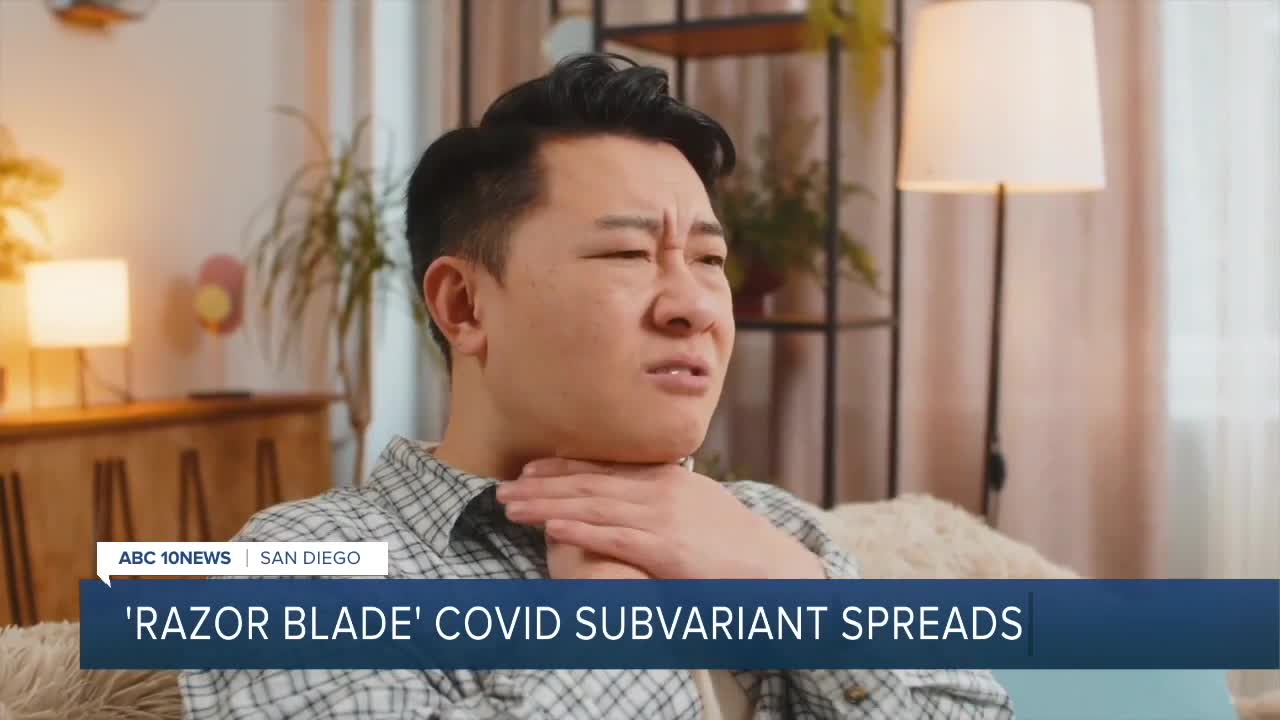
A new COVID variant is causing people to experience such severe sore throats that they say it feels like swallowing razor blades.
Scripps News – KGTV San Diego
There’s a new COVID-19 strain that, according to health experts, can cause symptoms that feel like swallowing razor blades.
According to information from the World Health Organization, this new variant is designated as NB.1.8.1, a “slightly upgraded version” of the LB.8.1 variant. According to SF Gate, in April, it accounted for 10.7% of global COVID-19 samples, a significant increase from 2.5% just a month earlier.
Here is what to know about the symptoms of this new variant.
What does ‘razor blade throat’ mean?
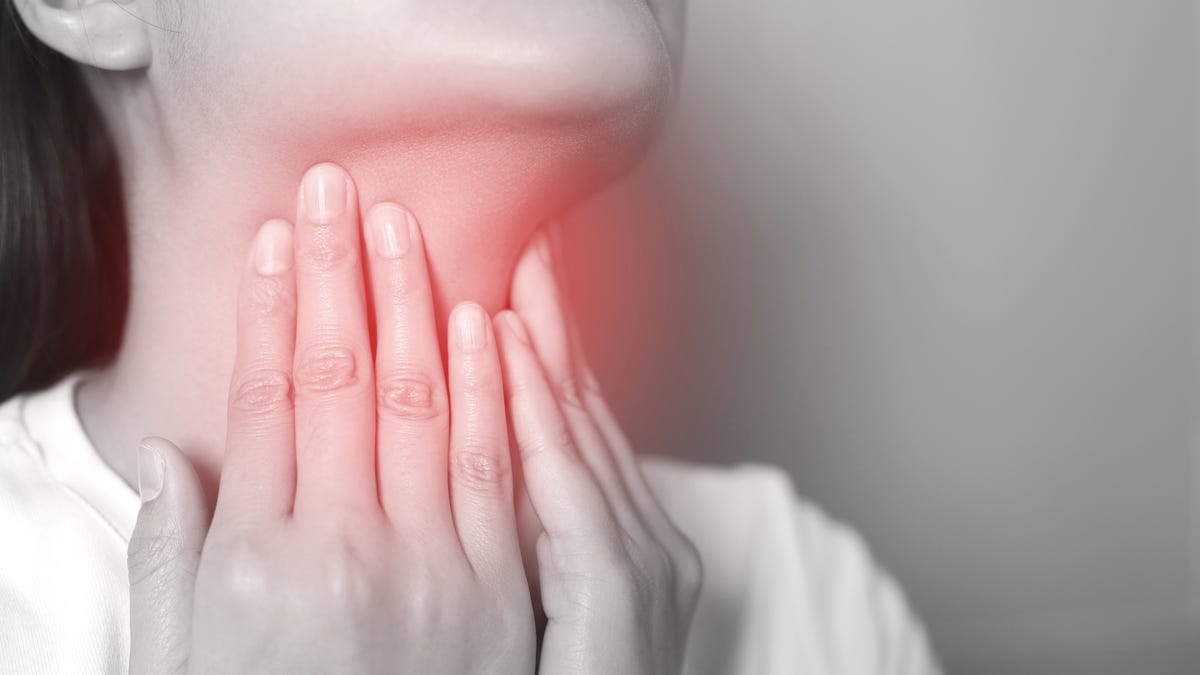
An extremely sore throat, or “razor blade throat”, is a symptom that’s currently being associated with the new variant. People with the variant are saying that it feels their throats are covered with razor blades, according to SF Gate. Many people have also taken to social media to describe the “razor blade throat.”
It isn’t the first time a symptom like this has been described.
With other strains, people said their throats felt like they had shards of glass jutting out, due to the extreme pain of their sore throats. This symptom, however, is gaining more popularity as the COVID-19 variant spreads.
What are the symptoms of NB.1.8.1?
The CDC has not outlined specific symptoms for NB.1.8.1. variant. Verma said that NB.1.8.1 symptoms appear similar to those of earlier COVID-19 variants.
The CDC outlines the following as common COVID-19 symptoms:
- Fever or chills
- Cough
- Shortness of breath or difficulty breathing
- Sore throat
- Congestion or a runny nose
- New loss of taste or smell
- Fatigue
- Muscle or body aches
- Headache
- Nausea or vomiting
The CDC advises seeking medical care if you experience any of the following symptoms:
- Trouble breathing
- Persistent pain or pressure in the chest
- New confusion
- Inability to wake or stay awake
- Depending on skin tone, lips, nail beds and skin may appear pale, gray or blue
How can you protect yourself from NB.1.8.1 and other variants?
The World Health Organization states that currently approved COVID-19 vaccines are expected to remain effective against the NB.1.8.1 variant.
On a webpage dated Jan. 7, 2025, the CDC advises that everyone over the age of six months get the 2024-2025 COVID-19 vaccine, specifically the 2024-2025 Moderna COVID-19 Vaccine.
It also suggests that people who have never received a COVID-19 vaccine, are age 65 and older, are immunocompromised, live at a long-term care facility, are pregnant, breastfeeding, trying to get pregnant, and/or want to avoid getting long COVID-19, should get the vaccine, especially.
However, Health and Human Services Secretary Robert F. Kennedy Jr. recently recommended changes to COVID-19 vaccinations.
On May 27, Kennedy said the COVID-19 vaccine would no longer be included in the CDC’s recommended immunization schedule for healthy children and pregnant women. And on May 20, the Food and Drug Administration (FDA) said it plans to require new clinical trials for approval of the annual COVID-19 boosters for healthy individuals under the age of 65.
This could mean that some who still wish to receive the vaccine may have to pay out of pocket.
What is a COVID-19 booster shot?
Updated and annual COVID-19 vaccines are actually not “booster shots.” Boosters are additional doses of the same vaccine that are needed to maintain immunity, according to the Cleveland Clinic. Updated vaccines protect against new variants of a virus, like NB.1.8.1.
-USA TODAY Network Julia Gomez and Greta Cross contributed to this report.
link


More Stories
How the DCA Disaster Hearing Is Reshaping Avionics and ATC Rules
Strep Throat: Symptoms, Signs, and Complications
Strong winds in New Mexico prompt health precautions