




The U.S. dietary guidelines have gone from pyramid to plate to, now, inverted pyramid. And if the new food pyramid has left you feeling unsure, that’s understandable. But, even in the face of these major changes, the basic elements of healthy eating haven’t changed, experts say.
Overall, many of the recommendations in the new food pyramid are “reasonably sensible,” Dr. Natalie Azar, NBC medical contributor, said on a Jan. 8, 2026 segment of the TODAY show.
“They really place an emphasis on whole foods and whole-food sources of protein,” she explained, as well as lots of fruits and vegetables.
“We all believe that more fresh fruits and vegetables is a very positive thing. Eating protein sources from lean animal products or even legumes, nuts or whole grains is also totally great,” registered dietitian Alison Steiber, Ph.D, chief impact officer for the Academy of Nutrition and Dietetics, tells TODAY.com.
“We also completely agree with reducing added sugar and the reduction of ultraprocessed foods,” she says.
But the new food pyramid also turned some longstanding dietary guidance on its head — literally. When it comes to the new emphases on protein and full-fat dairy, and laxer guidance on alcohol, many nutrition experts are recommending caution.
With so much contradictory nutrition advice out there right now, dietitians tell TODAY.com it’s important to remember that the core principles of healthy eating haven’t changed.
For instance, you don’t need to get into the scientific weeds to know that vegetables, fruit and whole grains are good for you, or that getting all of your protein for the day from beef could lead to overdoing it on saturated fat.
If you’re feeling confused, here are the healthy habits to focus on, according to experts.
Build Your Plate Around a Variety of Plants
For registered dietitian Tracy E. Crane, Ph.D, it’s important to “eat the rainbow,” she says.
“The more variety you can get, the better off you’re going to be,” Crane, director of lifestyle medicine at the University of Miami’s Sylvester Comprehensive Cancer Center, tells TODAY.com.
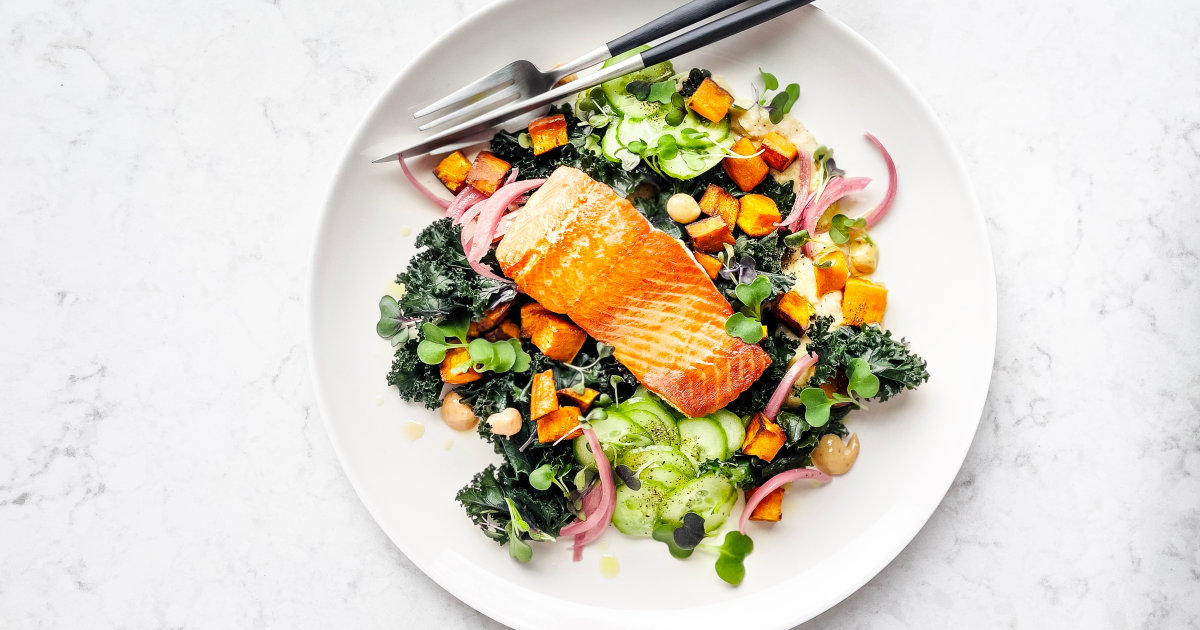
That means eating a lot of plant foods, which include fruit, vegetables, beans, legumes, whole grains, nuts and seeds, as well as herbs and spices, Crane says, like bright-orange turmeric.
“Plant-based eating has been shown to be incredibly beneficial, mostly because of the fiber and anti-inflammatory compounds in plant foods,” says Natalie Rizzo, registered dietitian and TODAY nutrition editor.
Fiber is “necessary for good health,” Rizzo says, noting that it positively impacts the gut, heart, blood sugar levels and weight. And if you’re hitting your fiber numbers, you’re also likely meeting the other goals on this list, like eating plants and opting for whole foods over processed items, she says.
The phytochemicals in plants that give them their color also have benefits for our health, Crane says, including anti-inflammatory effects and helping to prevent some chronic diseases. “And you can’t generally find those things in processed food,” Crane adds.
Limit Ultraprocessed Foods Whenever Possible
There’s no universally accepted definition of what an “ultraprocessed food” really is, Azar said. But limiting these types of foods — think: packaged, processed, prepared — is also the easiest way to immediately reduce your consumption of sodium and added sugar, she explained..
Recent research links ultraprocessed foods to a higher risk for cardiovascular disease, cancer and chronic diseases. such as Type 2 diabetes.
Choose a Variety of High-Quality Protein Sources
Americans generally get plenty of protein in their day. Rather than trying to get more, think about diversifying your protein sources to get more nutritional benefits alongside protein.
“People need to remember that protein comes from a variety of different places, not just animal products,” Crane says. “You actually find good amounts of protein in legumes, beans and whole grains. Quinoa, for example, is a great source of protein.”
If you eat animal protein, opt for lean meats to limit saturated fat. And try adding in more fish and plant sources of protein rather than reaching for processed protein snacks, like shakes, bars or other packaged foods that have extra protein added, Crane adds.
Steiber also cautions against getting protein from processed meats due to their high content of saturated fat and sodium.
There used to be a lot of concern about whether a plant-based diet still got enough complete protein. “The good news is,” Crane says, “if you’re eating a pretty varied diet throughout the day, you’re going to get that.”
Beverages Matter Too
Nutrition isn’t just about what’s on your plate, Rizzo says. What you drink also matters.
First, make sure you’re staying hydrated by drinking enough water and eating enough hydrating foods. And keep in mind that many beverages, like soda, sweetened coffee drinks and energy drinks, count as highly processed foods and are often loaded with added sugar.
Similarly, keep your alcohol consumption as low as possible, Rizzo notes. There’s no amount of alcohol that’s proven safe, as TODAY.com reported previously.
Be an Educated Consumer
“The most powerful thing you can do with nutrition is to educate yourself,” Crane says.
To that end, she recommends, learning how to read a nutrition label, being aware of what’s actually in your favorite foods and understanding what regular healthy portion sizes actually look like.
Individual Needs Vary
Last, keep in mind that the new national guidelines — as always — are just guidelines.
They’re meant to influence policy decisions, Rizzo says, not necessarily to direct what you put on your individual plate.
“There’s so many individual factors that come into play,” Rizzo says. “What are your health goals? Are you trying to lose weight? Are you trying to lower your blood pressure or trying to run a marathon?”
Crane agrees, adding that patients with kidney issues, for example, may not be able to meet the increased protein amounts recommended in the new dietary guidelines. And those at risk for colorectal cancer should know that red meat will increase their risk, she says.
Someone who can’t or prefers not to consume dairy obviously won’t be able to meet the new full-fat dairy recommendation, Steiber notes, and if you have a cardiovascular issue then, “certainly you should not increase your intake of saturated fat by any source,” she adds.
As Azar put it: “We are not all the same. We have different risks. We have different levels of physical activity. … You have to do what’s right for you, obviously, in conversation with your doctor.”
link



More Stories
Sugary drinks linked to rising anxiety in teens
Planetary Health Diet Study Highlights Nutrient Tradeoffs
What happens to the body on the carnivore diet?