



Four out of ten children do not need antibiotics when they have a sore throat and fever. This is the main finding from research carried out in 778 Italian pharmacies by the University of Turin and Fenagifar, the National Federation of Young Pharmacists Associations, presented at the Ministry of Health at a meeting dedicated to combating antimicrobial resistance.
A simple test that makes a difference
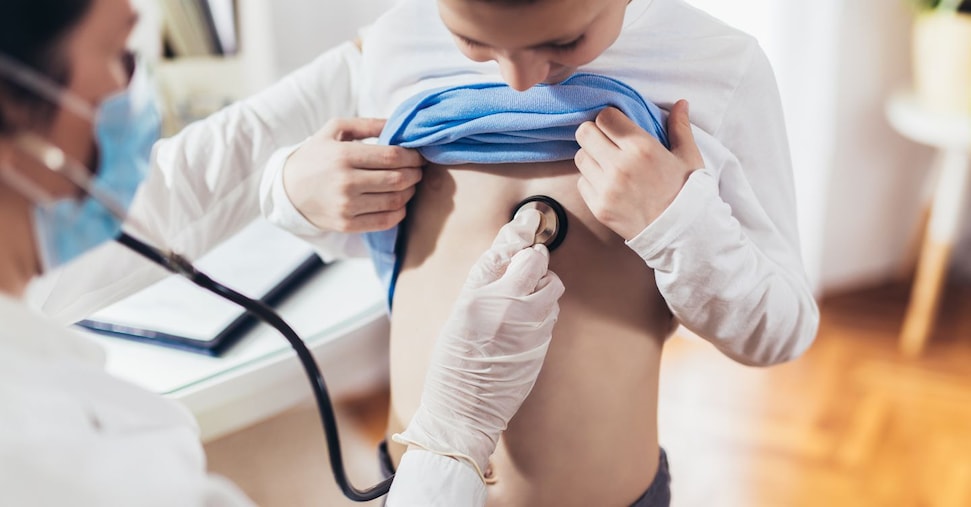
The study analysed 1,914 rapid tests for group A beta-hemolytic streptococcus performed in community pharmacies. The test, which is carried out with a simple pharyngeal swab and gives results within minutes, revealed that only 45% of cases tested positive. In children from 0 to 10 years the percentage rises to 59%, but this figure confirms that in more than half of the cases there is no indication for antibiotic therapy. “Without the test, a significant proportion of antibiotics are dispensed unnecessarily, even if the infection is viral,” explains Vladimiro Grieco, Fenagifar president. In fact, the rapid swab allows bacterial infections to be distinguished from viral ones, avoiding inappropriate prescriptions that feed the resistance phenomenon.
Research that changes perspective
The project ‘Antibiotic resistance: it is time to act’, promoted by Fenagifar in collaboration with Federfarma and Sistema farmacia Italia, under the patronage of FOFI, represents an important step in the fight against antimicrobial resistance. The research, carried out by the University of Turin and intended for scientific publication, involved more than 14,500 citizens through questionnaires that revealed a worrying picture: although more than 60% claimed to have heard of antimicrobial resistance, less than half were able to define it correctly. A quarter of respondents admit to recommending antibiotics to family and friends, while more than 60% keep unused packages at home, encouraging self-medication. Among those who correctly know the meaning of AMR, completion of antibiotic therapy exceeds 88%, compared to 79% of those who do not have this knowledge, confirming that awareness is clinically relevant. A second phase of the study is now starting, which will analyse the pharmacoeconomic impact of the rapid pharmacy swab on reducing antibiotic consumption and optimising National Health Service resources.
Pharmacies are sentinels against antibiotic abuse
“Antimicrobial resistance is an emergency that causes around 12,000 deaths in Italy,” said Health Undersecretary Marcello Gemmato during the event, interviewed by journalist Francesca Fagnani. “Pharmacies can also make an enormous contribution in this, through a simple examination and in collaboration with the general practitioner”. Gemmato pointed out the most common mistakes: “The first is abandoning therapy early, when you are better, keeping the pills that are left over and recommending them to friends and family”. For Vladimiro Grieco, “the problem of antimicrobial resistance does not originate in hospitals but on the territory, with trivial infections and decisions taken out of inertia, under pressure from patients or due to the lack of rapid diagnostic tools”. The president of Federfarma Marco Cossolo highlighted the extent of the phenomenon: ‘In Europe, an estimated 35,000 deaths and 11.7 billion in direct and indirect costs are estimated’. In short, a simple swab in the pharmacy at home can help parents not to make mistakes in treating their children and the health system to fight antibiotic resistance and save precious resources.
link


More Stories
How the DCA Disaster Hearing Is Reshaping Avionics and ATC Rules
Strep Throat: Symptoms, Signs, and Complications
Strong winds in New Mexico prompt health precautions