





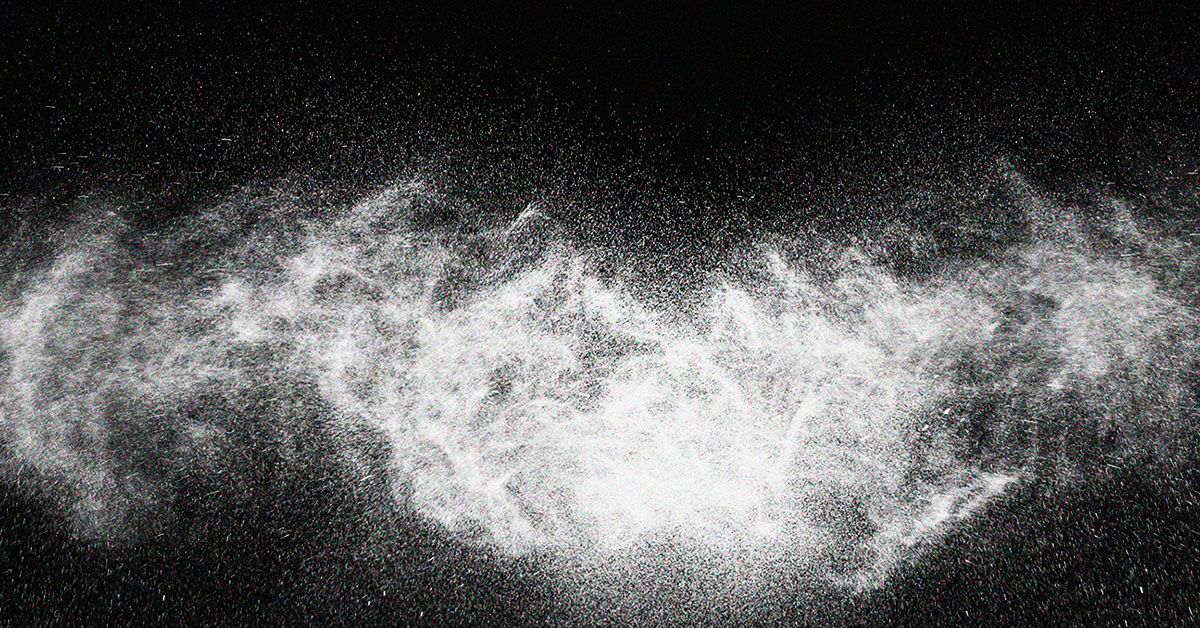
Pepper spray causes burning, pain, and tears when it comes into contact with a person’s eyes. Symptoms usually resolve in 30 minutes, but some people may experience more severe effects.
Pepper sprays are available commercially for personal protection against assailants. Law enforcement agencies in the United States use pepper spray during policing, crowd control, and to suppress protests and demonstrations. The use of pepper spray remains controversial.
This article examines pepper spray’s ingredients, its danger, and possible ways to treat exposure.
Pepper spray is a lacrimator, meaning it stimulates the eyes to produce tears. It typically comes in an aerosol or spray bottle.
The main component of pepper spray is an oil known as oleoresin capsicum. This oil comes from plants in the genus Capsicum, which includes chili peppers.
The active ingredient in pepper spray is capsaicin, the same chemical that gives chili peppers their characteristic heat. Pepper spray contains much higher concentrations of capsaicin than chili peppers.
Capsicum oil also forms the basis of bear spray, an aerosol designed to protect humans who encounter a bear.
Pepper spray has a very high score on the Scoville heat units (SHU) scale, which measures the “heat” of peppers. On the Scoville scale:
- a bell pepper measures 0 SHU
- a jalapeño pepper scores around 2,500–5,000 SHU
- pepper spray that law enforcement officers use measures up to 5.3 million SHU
Pepper spray use is controversial, particularly when members of law enforcement units use it against civilian protestors.
The Chemical Weapons Convention bans the use of riot control measures such as pepper spray and tear gas in warfare. However, law enforcement officers use pepper spray and tear gas to disperse crowds and suppress protests.
Civilians can buy pepper spray over the counter for self-defense, though some U.S. states restrict its sales.
When pepper spray comes into contact with a person’s eyes, it causes immediate eye closure, acute eye pain, and temporary blindness. Some people describe a bubbling or boiling sensation and severe discomfort.
Pepper spray can also have the following effects:
- a dry cough or wheezing
- shortness of breath or an inability to breathe properly
- throat burning
- chest pain
- gagging
- a runny nose
- gasping for air
- panic
- an inability to speak
- dizziness
- loss of consciousness
- rashes, blisters, or burns on contact with the skin
People report scratches to the eyeball, or corneal abrasions. Such scratches are temporary and may result from a person rubbing their eyes.
While painful, the symptoms are usually self-limiting. They tend to resolve on their own within
In rare cases, pepper spray can cause cyanosis, a bluish discoloration of the skin that indicates a lack of blood flow and oxygen.
If a person is exposed to a large amount of pepper spray, particularly indoors, they may experience
- glaucoma—an eye condition that can lead to blindness
- cataracts
- eye scarring
- asthma
- respiratory failure, which can be fatal
- immediate death due to chemical burns to the lungs and throat
If symptoms improve soon after exposure, a person is unlikely to experience complications.
Following pepper spray exposure, people can follow these steps to reduce the duration and intensity of the symptoms:
- Move into an area with fresh air, if possible.
- Flush the affected area with lots of water to wash away the contaminants.
- Avoid using soap around the eyes as it is an irritant.
- Remove clothing that may have come into contact with the spray to decontaminate and prevent re-contamination. Cutting off clothing rather than pulling it over the head helps avoid further irritation to the eyes and skin.
- Avoid touching the affected area, as it is easy to spread the oil-based solution to other areas of the body by doing so.
- Blink the eyes rapidly to help flush out the chemical.
Popular strategies for removing pepper spray include baby shampoo, milk, antacids, and lidocaine. However, an older 2008 study comparing these strategies found no evidence that they were more effective than water.
Emergency responders may use wipes and saline solutions to help relieve symptoms of pepper spray exposure.
Emergency responders may use wipes, saline solution, or Diphoterine to help relieve symptoms of pepper spray exposure. Diphoterine is a
In most cases, pepper spray symptoms resolve within
Since the
When pepper spray hits a person’s face, it temporarily blinds them and causes severe pain and discomfort. This allows police to subdue and arrest people, disperse protestors, and suppress demonstrations.
Police use of pepper spray remains controversial. During the 2020 Black Lives Matter protests, Amnesty International raised serious concerns that law enforcement had violated protestors’ human rights through unnecessary and sometimes excessive force, including the use of pepper spray.
These concerns center around the use of pepper spray, tear gas, and other tactics as “a first resort tactic against peaceful protestors rather than as a response to any sort of actual threat or violence.”
Amnesty International’s report documented 21 instances of unlawful police use of pepper spray across 15 states and in the District of Columbia between May and June, along with 89 uses of tear gas.
In addition, a study by Harvard University researchers found that police in the U.S. are more likely to use pepper spray on Black people than white people. This is just one of the serious concerns about systemic racism and racial discrimination within law enforcement.
Research has examined the relative benefits and risks of using pepper spray for crowd control. A
The researchers concluded that, while pepper spray can have limited use in crowd control, there is a “significant potential for misuse, leading to unnecessary morbidity and mortality.”
Pepper spray is a chemical that law enforcement and civilians are legally allowed to use for defense. It can be dangerous, and its use is controversial, especially when agents use it against civilian protesters.
If people are exposed to large amounts of pepper spray, it can cause severe complications involving the eyes, skin, and respiratory tract. However, most people recover within 30 minutes of exposure.
link



More Stories
How the DCA Disaster Hearing Is Reshaping Avionics and ATC Rules
Strep Throat: Symptoms, Signs, and Complications
Strong winds in New Mexico prompt health precautions